Germany says US troop withdrawal ‘foreseeable’ as Nato seeks clarification – BBC
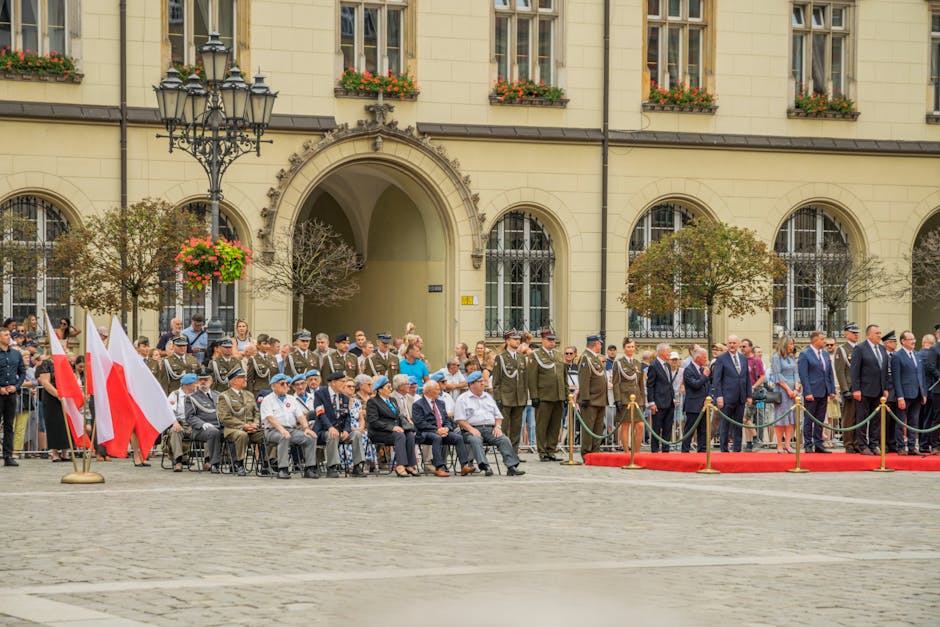
Germany has stated that a US troop withdrawal from its territory is "foreseeable," acknowledging reports that Washington plans to reduce its military presence. This development comes as NATO seeks clarification on the potential move, which could significantly alter the security landscape in Europe. The announcement has sparked extensive debate among allies, raising questions about burden-sharing, strategic priorities, and the future of transatlantic relations.
Background: A Shifting Transatlantic Military Landscape
The presence of United States military forces in Germany is a legacy of World War II and the subsequent Cold War, solidifying a strategic alliance that has endured for decades. However, this presence has undergone significant transformations over time, reflecting evolving geopolitical realities and strategic doctrines.
Post-Cold War Reductions and Realignments
Following the collapse of the Berlin Wall in 1989 and the dissolution of the Soviet Union in 1991, the strategic rationale for a massive US troop presence in Germany fundamentally shifted. From a peak of over 200,000 personnel during the Cold War, the numbers began a steady decline. The initial reductions were dramatic, with major installations like Hahn Air Base and Frankfurt Air Base closing, symbolizing a pivot from static defense against a Soviet invasion to more flexible, expeditionary operations.
By the early 2000s, the focus of US military strategy had shifted towards counter-terrorism and operations in the Middle East and Afghanistan. This led to further base closures and troop consolidations in Germany, although the country retained its critical role as a logistical hub and training ground for US forces operating globally. Despite these reductions, Germany remained the largest host nation for US troops in Europe, a testament to its central geographic location and robust infrastructure. The remaining forces were increasingly specialized, designed for rapid deployment and supporting global contingencies rather than solely for European defense.
Obama Administration’s “Pivot to Asia” and European Reassurance
Under President Barack Obama, US foreign policy emphasized a "pivot to Asia," recognizing the growing strategic importance of the Indo-Pacific region. While this led to some minor adjustments in European force posture, the administration largely maintained a robust presence, particularly after Russia's annexation of Crimea in 2014 and its destabilizing actions in eastern Ukraine.
The European Reassurance Initiative (ERI), later renamed the European Deterrence Initiative (EDI), was launched in response to Russian aggression, demonstrating a renewed commitment to European security. This initiative involved increased rotational forces, enhanced training exercises with allies, and improvements to military infrastructure across Europe, including in Germany. While some permanent troop numbers saw minor adjustments, the overall message was one of reassurance and strengthening NATO's eastern flank, with Germany playing a crucial role as a staging ground and logistics hub for these efforts.
Trump Administration’s Stance and Previous Threats
The election of Donald Trump in 2016 introduced a new dynamic into transatlantic relations. His "America First" foreign policy prioritized domestic interests and frequently criticized allies for perceived insufficient contributions to collective defense. Germany, in particular, became a frequent target of his administration's rhetoric.
President Trump consistently linked the presence of US troops in Germany to the country's defense spending, arguing that Germany was not meeting its financial obligations to NATO. He repeatedly threatened to withdraw US forces, suggesting that allies were "delinquent" and taking advantage of US generosity. These threats were often made publicly, sometimes via social media, creating uncertainty and strain in the bilateral relationship. Disagreements on other fronts, such as trade imbalances, the Nord Stream 2 gas pipeline project with Russia, and the Iran nuclear deal, further exacerbated tensions, creating a backdrop of persistent friction between Washington and Berlin.
German-US Relations Under Strain
Beyond the troop presence, the relationship between Germany and the United States experienced significant strain during this period. Economic disputes, including US tariffs on steel and aluminum and threats of tariffs on German automobiles, created trade friction. The US withdrawal from the Iran nuclear deal (JCPOA) and the Paris Agreement on climate change, both championed by Germany and other European powers, highlighted deep policy divergences.
The Nord Stream 2 pipeline, designed to bring Russian gas directly to Germany, became another point of contention, with the US arguing it increased European energy dependence on Russia and threatened sanctions against companies involved in its construction. These policy differences, combined with a perceived lack of consultation from Washington on major decisions, led to a period of unprecedented challenge for the traditionally strong transatlantic partnership. German officials frequently expressed frustration over the unilateral nature of US policy announcements and the public criticism leveled against their country.
NATO Burden-Sharing Debate
At the heart of many of these tensions was the ongoing debate about NATO burden-sharing. At the 2014 Wales Summit, NATO members pledged to move towards spending 2% of their Gross Domestic Product (GDP) on defense by 2024, with 20% of that spending dedicated to major equipment. While Germany had increased its defense budget significantly since 2014, moving from approximately 1.2% to around 1.5% of GDP, it remained short of the 2% target.
The Trump administration consistently highlighted this shortfall, portraying Germany as not pulling its weight within the alliance. German officials countered by emphasizing their substantial contributions to NATO missions, military infrastructure, and host nation support, arguing that "output" (actual military capabilities and contributions) was as important as "input" (raw spending figures). This debate, however, often overshadowed Germany's role as a vital NATO member and a significant contributor to international security operations, including those led by the US. The differing interpretations of burden-sharing became a persistent source of friction, fueling the narrative that Germany was not doing enough.
Key Developments: The Announcement and Its Aftermath
The reports of a US troop withdrawal from Germany emerged with little official fanfare, quickly escalating into a significant diplomatic and strategic issue. The subsequent reactions from Germany, NATO, and the US Congress underscored the complexity and sensitivity of the decision.
Pentagon’s Initial Announcement and Leaks
Reports of an impending US troop reduction in Germany first surfaced in early June, primarily through US media outlets suchulating anonymous senior defense officials. The Wall Street Journal was among the first to report that the Pentagon was planning to cap the number of US troops permanently stationed in Germany at 25,000, effectively reducing the current level of approximately 34,500 personnel by 9,500.
These reports indicated that the decision had been made weeks prior by the White House, reportedly without extensive consultation with the Pentagon or US allies. The stated rationales for the move varied, often cited as a combination of cost savings, a strategic repositioning of forces to counter emerging threats elsewhere, and a direct response to Germany's perceived failure to meet NATO defense spending targets. The lack of formal notification to Berlin or Brussels prior to the media leaks generated considerable surprise and concern among European allies, highlighting a broader pattern of unilateral decision-making that had characterized aspects of the Trump administration's foreign policy.
German Reaction and Confirmation
The initial reaction from Berlin was a mix of surprise and calls for clarification. German officials, including Defense Minister Annegret Kramp-Karrenbauer and Foreign Minister Heiko Maas, publicly stated they had received no official notification from Washington regarding the withdrawal plans. This lack of communication was itself a point of contention, seen as a breach of diplomatic protocol among close allies.
Despite the initial lack of official communication, German government officials soon began to acknowledge the likelihood of the withdrawal. Defense Minister Kramp-Karrenbauer, in an interview, confirmed that the US administration had informed them of its intentions to reduce troop numbers. While expressing regret over the potential impact, she adopted a measured tone, emphasizing that the US was a sovereign nation and could make its own decisions regarding its military posture. Foreign Minister Maas echoed this sentiment, stating that while the relationship was complex, the US presence was important for both countries. The term "foreseeable" was used to describe the withdrawal, indicating that while perhaps not formally confirmed in detail, the possibility had been on Germany's radar, likely due to previous threats and the ongoing strain in bilateral relations. Internally, German political figures from across the spectrum expressed concerns, with some opposition parties criticizing the government's handling of the US relationship.
NATO’s Search for Clarity
The news also sent ripples through the North Atlantic Treaty Organization. NATO Secretary General Jens Stoltenberg publicly emphasized the enduring value of the US military presence in Europe, stating that it was crucial for collective security and deterrence. He called for consultation and transparency, stressing that any adjustments to force posture should be discussed within the alliance framework and align with NATO's strategic interests.
Stoltenberg highlighted that US troops in Germany were not just for Germany's defense but served as a critical component of NATO's overall defense and deterrence posture, enabling rapid deployment to the alliance's eastern flank and supporting operations in Africa and the Middle East. The Secretary General's statements sought to reassure Eastern European allies, who viewed the US presence as a vital guarantee against potential Russian aggression, while also implicitly urging Washington to engage in dialogue before making significant, potentially disruptive, decisions. The NATO Military Committee, comprising the Chiefs of Defense of member countries, would likely be tasked with assessing the strategic implications of any such withdrawal.
Congressional Opposition and Concerns
In the United States, the reported withdrawal plans met with significant bipartisan opposition in Congress. Numerous lawmakers, including prominent Republicans, voiced strong concerns about the strategic implications of the move. Critics argued that a withdrawal would weaken NATO, embolden Russia, and harm US national security interests by reducing American influence and capabilities in a critical region.
A bipartisan group of 22 Republican members of the House Armed Services Committee sent a letter to President Trump, urging him to reconsider the decision, citing concerns about Russian aggression and the logistical challenges of relocating forces. Similar sentiments were expressed in the Senate, with figures like Senator Mitt Romney (R-UT) and Senator Jack Reed (D-RI) questioning the strategic rationale and the lack of consultation with allies. Lawmakers expressed concerns that such a move would be a "gift to Russia" and would undermine the very alliances that form the bedrock of US foreign policy. The potential for Congress to use its appropriations power through the National Defense Authorization Act (NDAA) to block or delay the withdrawal became a significant point of discussion, indicating a potential legislative battle over the executive's decision.
Specific Units and Locations Affected
While official details on which specific units would be withdrawn remained scarce at the time of the initial reports, the implications for major US military installations in Germany were immediate topics of speculation. Germany hosts several critical US military assets:
Stuttgart: Home to the US European Command (EUCOM) and US Africa Command (AFRICOM) headquarters, critical for coordinating US military activities across two vast continents.
* Ramstein Air Base: The largest US air base outside the United States, serving as a vital logistics hub for air operations, medical evacuations, and personnel movement across Europe, Africa, and the Middle East. It is also headquarters for US Air Forces in Europe – Air Forces Africa (USAFE-AFAFRICA).
* Grafenwöhr and Hohenfels: Major training areas that provide unparalleled facilities for joint and multinational exercises, crucial for maintaining combat readiness and interoperability with NATO allies.
* Spangdahlem Air Base: Hosts the 52nd Fighter Wing, providing air combat power and support.
* Wiesbaden: Headquarters for US Army Europe (USAREUR), overseeing Army operations and training across the continent.
Any significant reduction would likely impact a mix of combat, logistics, and support units. The withdrawal of 9,500 troops could mean the departure of entire units, such as an armored brigade combat team or a fighter squadron, or a more distributed reduction across various commands and support functions. The strategic significance of these locations, not just for Germany but for broader US and NATO operations, meant that any changes would have far-reaching effects on military planning and readiness.
Impact: A Ripple Effect Across Continents
The proposed US troop withdrawal from Germany carries multifaceted implications, affecting not only the immediate host nation but also the broader NATO alliance, regional security dynamics, and the United States' own strategic posture.
Germany: Economic and Security Implications
The impact on Germany would be felt on multiple fronts, particularly in the local communities that have hosted US forces for decades. Economically, the departure of thousands of service members and their families would result in a significant loss of income for local businesses. US personnel spend salaries on housing, retail, groceries, and services, injecting millions of euros annually into the local economies. Additionally, hundreds, if not thousands, of German civilians are employed directly by US bases as contractors, administrative staff, and service providers. Towns like Grafenwöhr, Ramstein, and Spangdahlem have developed symbiotic relationships with the US military, with their economies heavily reliant on the presence of American personnel. The closure or significant downsizing of bases would lead to job losses, reduced tax revenues, and a decline in local consumer spending, potentially causing economic distress in these regions.
From a security perspective, the withdrawal would lead to a direct reduction in US military capabilities stationed on German soil. This includes a decrease in personnel, equipment, and access to advanced intelligence and surveillance assets. While Germany maintains a robust military, the presence of US forces enhances collective defense, facilitates intelligence sharing, and ensures high levels of interoperability through joint training exercises. A reduction could place increased pressure on the Bundeswehr to fill perceived gaps, potentially accelerating Germany's own defense modernization efforts. It could also be seen as a symbolic weakening of the transatlantic security guarantee, potentially affecting Germany's strategic planning and its role within NATO. Politically, the move could strain bilateral relations further and potentially fuel anti-American sentiment among segments of the German population, particularly if the withdrawal is perceived as punitive or disrespectful.
NATO: Cohesion and Deterrence
For the North Atlantic Treaty Organization, the withdrawal poses significant challenges to both its internal cohesion and its external deterrence posture. A unilateral decision by the United States to reduce its forces without extensive prior consultation with allies can create a perception of disunity and undermine the principle of collective decision-making that underpins the alliance. This could lead to a fracturing of trust among members, making it harder to forge consensus on future security challenges.
From a deterrence standpoint, the presence of US forces in Germany serves as a tangible manifestation of America's commitment to European security and its readiness to defend NATO territory. A reduction, particularly if viewed as a signal of broader disengagement, could weaken NATO's conventional deterrent against potential adversaries, most notably Russia. Concerns arise about the speed and scale of reinforcement in a crisis if fewer "boots on the ground" are already in place. While the US maintains a significant capacity for rapid deployment, permanently stationed forces offer a more immediate and robust response capability. Eastern European allies, in particular, might interpret the move as a sign of wavering US commitment, increasing their anxiety about their own security. The strategic implications extend to NATO's ability to project power, conduct joint exercises, and respond effectively to crises across its operational areas.
Eastern European Allies: Perceived Vulnerability
Countries on NATO's eastern flank, such as Poland, the Baltic States (Estonia, Latvia, Lithuania), and Romania, view the US military presence in Europe as a crucial bulwark against potential Russian aggression. For these nations, the proposed withdrawal from Germany raises significant concerns about their perceived vulnerability. They fear that a reduction in US forces in central Europe could signal a broader US disengagement from European security, leaving them more exposed.
These allies have actively sought increased US military presence on their own soil, exemplified by Poland's repeated offers to host more American troops and its "Fort Trump" proposal. They see a robust US presence as essential for maintaining regional stability and deterring any adventurism from Moscow. The withdrawal could exacerbate existing anxieties, potentially leading to increased calls for permanent US bases in their countries or a renewed focus on strengthening their own national defense capabilities. It might also compel them to re-evaluate their own defense strategies and their reliance on the collective security umbrella, potentially leading to a more fragmented approach to regional defense.
United States: Strategic Reassessment
For the United States, the troop withdrawal represents a significant strategic reassessment, though its overall benefits remain a subject of debate. Militarily, relocating thousands of troops and their equipment is a complex and costly endeavor. It would involve significant logistical challenges, including transportation, establishing new infrastructure at potential new locations, and ensuring continuity of operations. The US would lose access to the well-established and highly efficient training areas, logistical hubs, and command centers in Germany, which have been refined over decades. This could impact readiness and the ability to project power efficiently across Europe, Africa, and the Middle East.
Diplomatically, the move risks damaging alliances and fostering a perception of unreliability. Allies in other regions, such as Japan and South Korea, who also host significant US forces, might question the durability of US commitments to their own security. This could have broader geopolitical repercussions, potentially weakening the global network of alliances that underpins US foreign policy. While the administration's stated aim might be to reallocate resources to other regions, such as the Indo-Pacific to counter China, the immediate costs in terms of alliance cohesion and logistical disruption could be substantial. The decision forces a re-evaluation of the balance between forward presence and the ability to rapidly deploy forces from the continental US.
Local German Communities: Economic Fallout
The economic fallout for local German communities would be profound and immediate. Towns like Baumholder, Grafenwöhr, and Spangdahlem have integrated the US military presence into their very fabric. The departure of US personnel means a direct loss of consumers for local shops, restaurants, and service providers. Housing markets, which often cater specifically to US military families, would experience a sharp downturn, impacting landlords and real estate agents.
Thousands of German civilians, who have worked on US bases for generations, would face unemployment. These jobs range from administrative positions to maintenance, security, and retail services. The loss of these jobs would not only affect individual families but also strain local social welfare systems. Furthermore, US bases contribute to local infrastructure development and maintenance, including roads, utilities, and schools that often serve both American and German children. A withdrawal would leave a vacuum in these areas, requiring local authorities to absorb costs or find alternative solutions. The cultural impact, too, would be significant, as decades of interaction and shared experiences between American service members and German citizens have fostered unique community identities that would be irrevocably altered.
Russia: Potential Strategic Gains
From Russia's perspective, a significant US troop withdrawal from Germany could be viewed as a strategic victory. It would likely be interpreted as a sign of weakening NATO unity and a diminishing US commitment to European security. This perception could embolden Moscow to adopt a more assertive posture in its near abroad and test the resolve of the alliance.
Russia has long sought to reduce the US and NATO military presence in Europe, viewing it as a threat to its own security interests. A withdrawal could provide a narrative for Russian state media to portray NATO as fragmenting and the US as retreating from its global responsibilities. This could create opportunities for Russia to exert greater influence in Eastern Europe and potentially undermine the stability of countries bordering its territory. It might also impact arms control discussions and regional security dialogues, as Russia could perceive a more favorable strategic landscape for its own military objectives. The symbolic value of a reduced US footprint in Germany, a historical focal point of the Cold War, would not be lost on Moscow, potentially leading to a re-evaluation of its own military and diplomatic strategies in Europe.
What Next: Navigating an Uncertain Future
The proposed US troop withdrawal from Germany initiates a complex process involving legislative scrutiny, diplomatic negotiations, and strategic adaptations across the transatlantic alliance. The path forward is fraught with potential challenges and opportunities, shaping the future of European security.
Congressional Scrutiny and Potential Delays
The US Congress plays a critical role in military policy and funding, and the bipartisan opposition to the troop withdrawal signals a potential legislative battle. Lawmakers can exert influence through several mechanisms. The annual National Defense Authorization Act (NDAA), which sets policy and authorizes spending for the Department of Defense, could include provisions to block or restrict funding for the withdrawal. Committees, particularly the House and Senate Armed Services Committees, can hold hearings, demand detailed justifications from the Pentagon, and introduce amendments to appropriations bills that would make it difficult or impossible to execute the move.
The Government Accountability Office (GAO) might be tasked with conducting a cost-benefit analysis of the withdrawal, assessing the financial implications of relocating troops, equipment, and families, as well as the strategic costs. Furthermore, the upcoming US presidential election cycle could significantly influence the outcome. A change in administration could lead to a reversal or modification of the decision, depending on the foreign policy priorities of the new president. This congressional scrutiny and potential legislative action could introduce significant delays or even ultimately prevent the full implementation of the proposed withdrawal.
German-US Bilateral Consultations
Despite the initial lack of consultation, the German government has indicated its willingness to engage in dialogue with Washington. High-level diplomatic discussions between Berlin and Washington are expected to intensify as both sides seek to manage the fallout and explore potential alternative arrangements. These consultations would likely involve senior officials from the foreign and defense ministries, as well as direct engagement between Chancellor Angela Merkel and the US President.
The aim for Germany would be to mitigate the negative impact of the withdrawal, perhaps by discussing the specific units to be moved, the timeline for their departure, and the potential for enhanced cooperation in other areas. Germany might also seek to understand the US's long-term strategic vision for its European presence and explore ways to address the underlying concerns that prompted the withdrawal, such as defense spending targets. These bilateral talks will be crucial for managing expectations, preserving the core elements of the strategic partnership, and ensuring that any changes are implemented in a coordinated and less disruptive manner.
NATO Discussions and Adaptation
Within the framework of NATO, the proposed withdrawal will undoubtedly be a central topic of discussion. The North Atlantic Council, NATO's principal political decision-making body, will likely hold extensive deliberations on the implications for collective defense. The NATO Military Committee, comprising the Chiefs of Defense, will conduct detailed assessments of how the reduction in US forces in Germany impacts the alliance's operational capabilities, its ability to deter aggression, and its plans for rapid reinforcement.
NATO may explore various adaptive measures to compensate for the reduced US presence. This could include reinforcing other parts of Europe, potentially increasing the presence of US or allied forces in countries like Poland, Romania, or the Baltic States. There might also be a renewed focus on prepositioning equipment, enhancing infrastructure, and conducting more frequent and larger-scale multinational exercises to maintain readiness and interoperability. The alliance may also revisit its Deterrence and Defence Posture Review to ensure that its strategic planning remains robust in the face of evolving force configurations. The goal would be to ensure that any changes to US force posture do not create vulnerabilities or undermine the credibility of NATO's Article 5 collective defense guarantee.
Future of US Military Presence in Europe
The withdrawal from Germany could signal a broader shift in the nature of the US military presence in Europe. Rather than a large, permanently stationed force, the future model might lean towards a smaller, more agile core presence supplemented by increased rotational forces. This would involve units deploying for specific periods, conducting training, and participating in exercises before returning to the US, leveraging pre-positioned equipment to reduce deployment times.
The focus might also shift towards specialized capabilities, such as air defense, cyber warfare, intelligence, surveillance, and reconnaissance (ISR), and special operations forces, which can be deployed more flexibly. While the physical footprint might shrink, the US could seek to maintain its strategic influence through enhanced interoperability, intelligence sharing, and command and control capabilities. The concept of "forward deployment" (maintaining a base in a region) versus "forward presence" (the ability to project power into a region rapidly) will be a key consideration in shaping this future posture, aiming for maximum strategic effect with optimized resources.
Potential Redeployments to Other Regions
If the troops are indeed withdrawn from Germany, the question of where they might be redeployed becomes critical. Poland has actively lobbied for a greater US military presence, offering to shoulder significant costs for hosting additional forces. Such a move could be politically attractive to the US administration, aligning with its emphasis on burden-sharing and potentially shifting forces closer to Russia's borders.
Other European countries, such as Italy, the UK, and Spain, which already host significant US military assets, could also see an increase in certain capabilities or headquarters functions. Beyond Europe,